Scroll to content Scroll to footer

People & Supply Chain.

People & Supply Chain.

← Back to overview

Production.

From the idea to the sock.

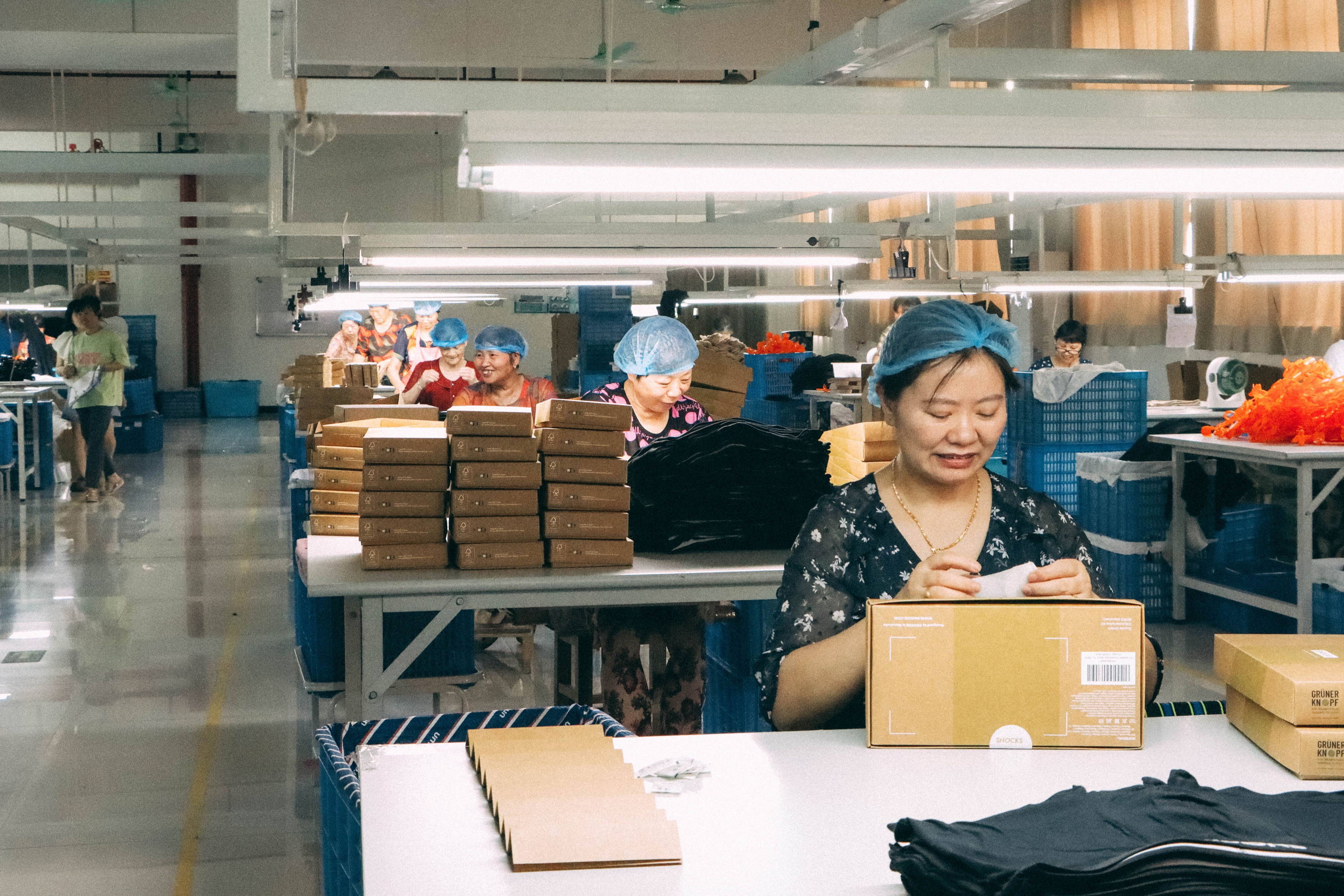
What begins as a design in Mannheim becomes high-quality everyday basics at our partner factories. We produce in China, Pakistan, Bangladesh, Sri Lanka, Turkey, and Romania.

One of the biggest misconceptions about production conditions is that production in Asia is always bad and production in Europe is always good. It’s not that simple. Producing outside Germany primarily enables us to offer lower prices and make basics for everyone. Humane working conditions are also important to us.
Through long-standing relationships with our factories and intermediary agencies, we are working to further develop our supply chain step by step. We understand responsibility as a holistic approach that goes beyond the place of production and includes the entire supply chain.
 

Production.

From the idea to the sock.

What begins as design in Mannheim becomes high-quality everyday basics in our partner factories. We produce in China, Pakistan, Bangladesh, Sri Lanka, Turkey, and Romania.

One of the biggest misconceptions about production conditions is that production in Asia is always bad and production in Europe is always good. It’s not that simple. Our production outside Germany primarily enables us to offer lower prices and make basics accessible to everyone. Humane working conditions also play an important role for us.


Through long-standing relationships with our factories and intermediary agencies, we are working to further develop our supply chain step by step. We understand responsibility as a holistic approach that goes beyond the place of production and encompasses the entire supply chain.

The direct line.

We address issues such as working conditions and compensation at our production facilities and work closely with our production partners as well as two specialized agencies or importers. Together with these partners, we regularly exchange information about social and environmental requirements throughout our supply chain.

We cooperate with factories audited by organizations such as amfori BSCI or similar institutions. In addition, depending on the product, we rely on certifications such as the Green Button, GOTS, GRS, RCS, RWS, and OCS, which define environmental and social requirements throughout the supply chain.

Our Code of Conduct

The direct line.

We address issues such as working conditions and wages at our production facilities and work closely with our production partners as well as with two specialized agencies or importers. Together with these partners, we regularly discuss social and environmental requirements throughout our supply chain.


We cooperate with factories that are audited by organizations such as amfori BSCI or similar institutions. In addition, depending on the product, we rely on certifications such as Grüner Knopf, GOTS, GRS, RCS, RWS, and OCS, which define environmental and social requirements throughout the supply chain.

Our Code of Conduct

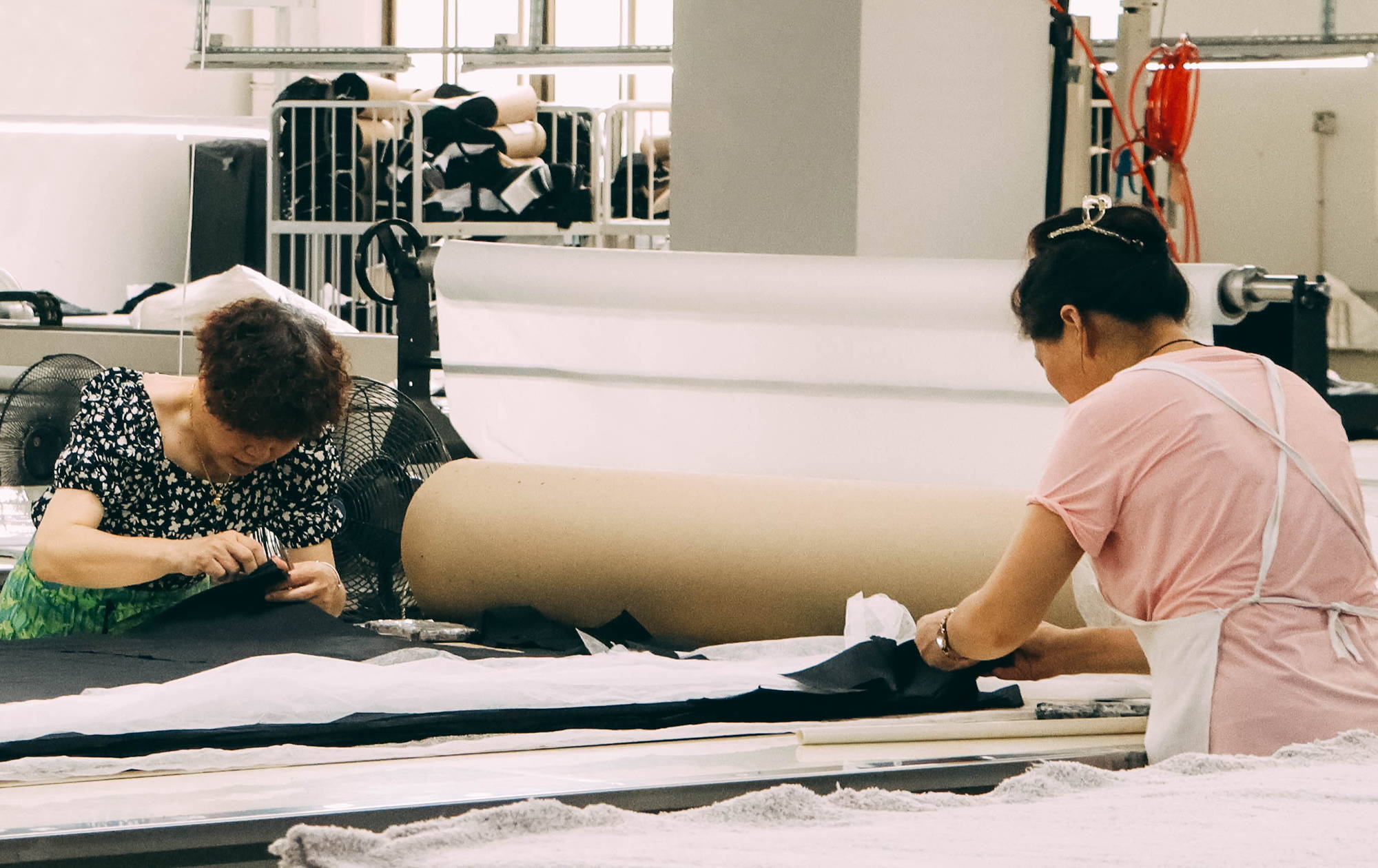
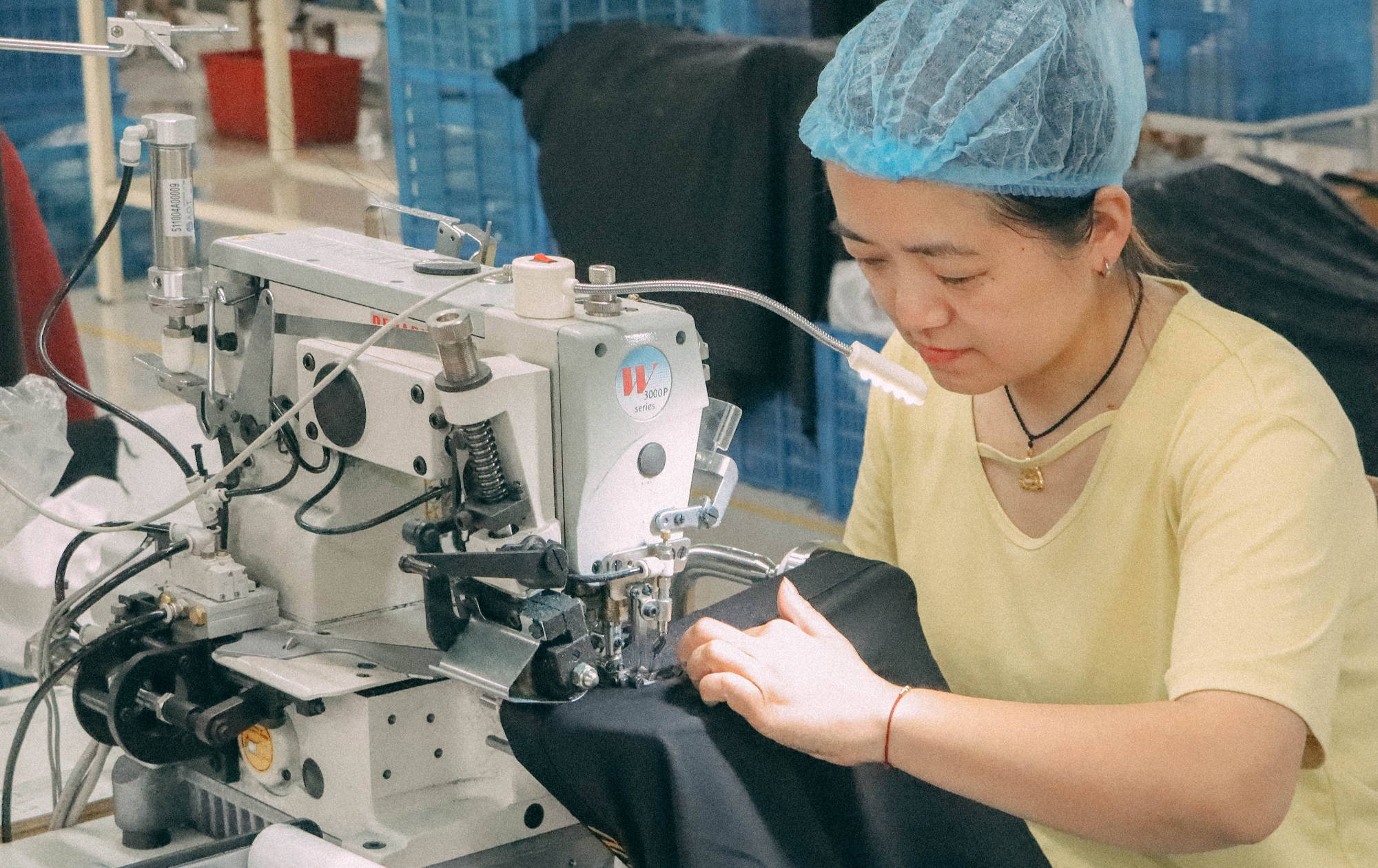
We sew the basics.

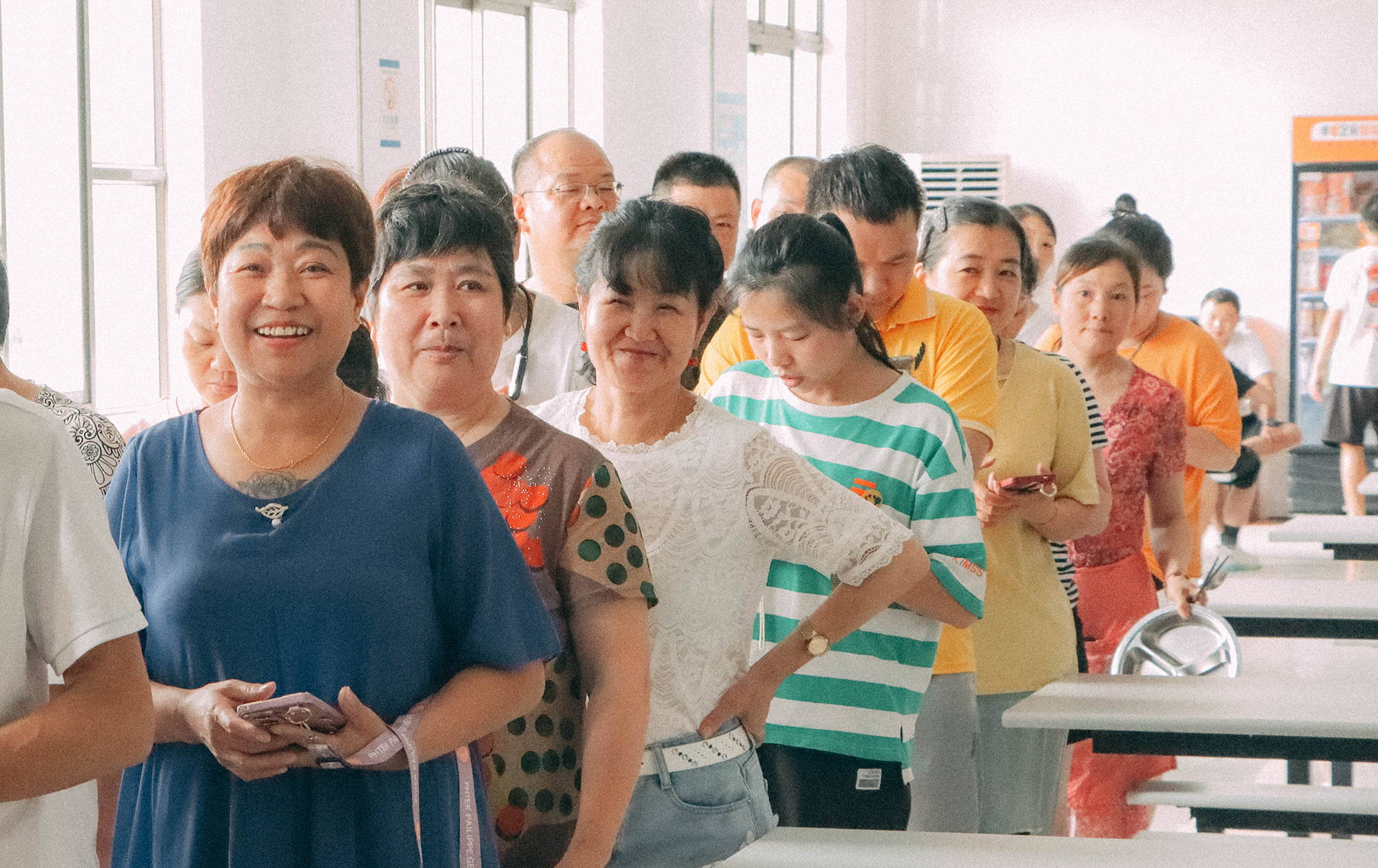
Our factories are far away, but the people who work there are still close to our hearts. 

Member of Dialogue and Impact for Sustainable Textiles.

Together for better standards in the textile industry.

SNOCKS is part of Dialogue and Impact for Sustainable Textiles, and we are truly proud of that. Together with the other members, we address social and environmental challenges in the textile industry. Here’s what that looks like in practice: We follow international standards for human and labor rights, environmental protection, and corruption prevention. Our commitment to the alliance includes regular reviews and reports. This allows us to systematically address risks in our value chain and continuously improve our processes, step by step. What matters most to us: We openly share with you what we do and strive to do, what we achieve, and where we still fall short.

Dialogue and Impact for Sustainable Textiles.

Dialogue and Impact for Sustainable Textiles is a multi-stakeholder initiative with around 140 members, including companies, associations, trade unions, civil society, standards organizations, and the German Federal Government. You are in the right place if, as a company, you want to fulfill your environmental and human rights responsibilities throughout the entire supply chain. The alliance offers you a broad network and support. At its center is the due diligence approach described in the National Action Plan on Business and Human Rights and specified by the OECD for the textile sector.

Learn more

SNOCKS is a member of the Fair Wear Foundation.

Since 2025, SNOCKS has been a member of the Fair Wear Foundation - a nonprofit organization that works worldwide to promote safe and decent working conditions in the textile industry. For us, this means continuously addressing working conditions throughout our supply chain - not just when an audit is around the corner.

What does that mean specifically?

Becoming better together:

We work closely with our factories to identify risks such as long working hours, low wages, or inadequate workplace safety at an early stage - and improve them step by step.

Long-term partnerships:

We rely on stable relationships, regularly visit our production sites, and jointly develop concrete improvement plans

Look closely instead of looking away:

When problems arise, we don't look away. Fair Wear helps us find solutions that genuinely make a difference for workers.

Open reporting:

Once a year, we openly share what is going well - and what is not. You can view our first Brand Performance Check publicly. It shows where we stand and what we still need to work on.

To the Brand Performance Check

Why Fair Wear?

Fair Wear brings brands, factories, and other stakeholders together to create structural change - in a system that is often highly complex. Together, we are committed to improving working conditions in the textile industry.


The Fair Wear Foundation is a multi-stakeholder initiative that supports clothing companies in implementing their human rights due diligence responsibilities in their supply chains. Membership helps identify, mitigate, and remedy human rights risks and adverse impacts, promote workers’ access to remedy, and track and communicate progress. Membership is not a product or factory certification and does not guarantee a risk- or harm-free supply chain.

Learn more

And most importantly: No garment is “100% fair.” But we can - and want to - get a little better every day. That is exactly why we are part of Fair Wear. Because as a manufacturing company, we always leave a footprint. And wherever people work together, not everything runs perfectly. What matters to us is looking closely, acting responsibly, and finding solutions together - instead of pretending that there are no challenges.

Why Fair Wear?

Fair Wear brings brands, factories, and other stakeholders together to drive structural change - in a system that is often highly complex. Together, we are committed to improving working conditions in the textile industry.

Learn more

The Fair Wear Foundation is a multi-stakeholder initiative that helps apparel companies implement human rights due diligence in their supply chains. Membership helps identify, mitigate, and remedy human rights risks and adverse impacts, promote workers' access to remedy, and track and communicate progress. Membership is not a product or factory certification and does not guarantee a supply chain free of risks or harm.

And most importantly: No garment is “100% fair.” But we can - and want to - get a little better every day. That’s exactly why we are part of Fair Wear. As a manufacturing company, we always leave a footprint. And wherever people work together, things do not always run perfectly. What matters to us is looking closely, taking responsibility, and finding solutions together - instead of pretending that there are no challenges.

tip me & SNOCKS.

Together for greater appreciation of our seamstresses and tailors.

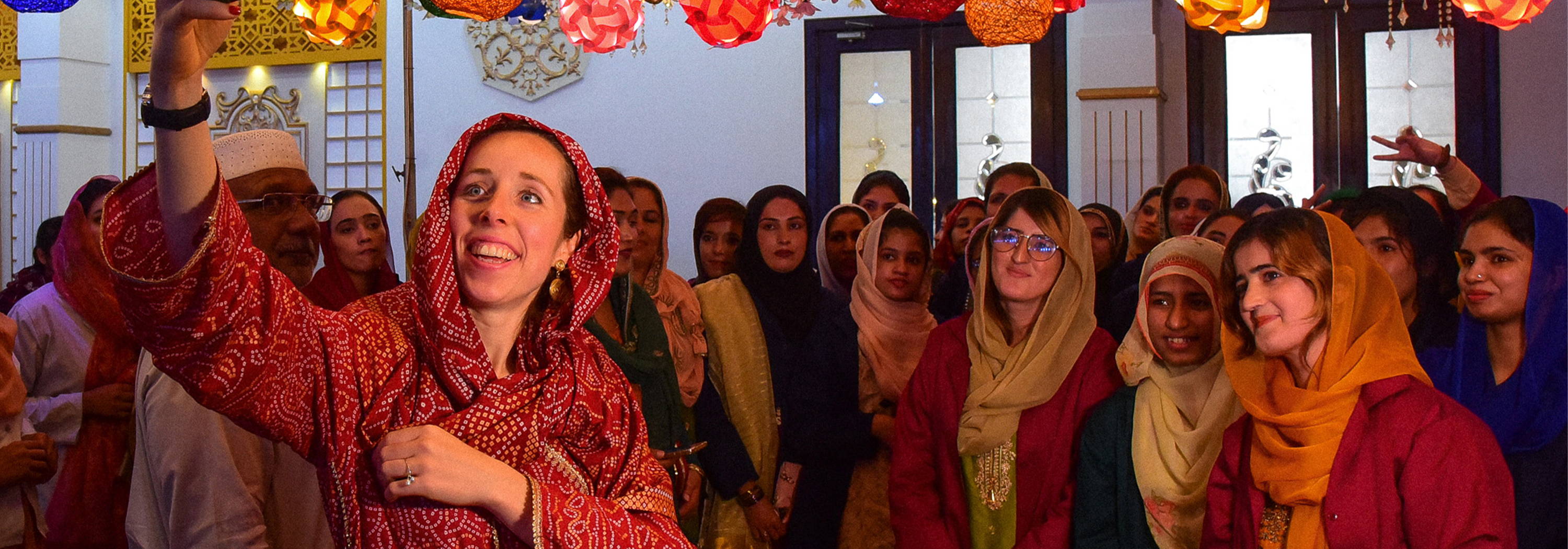
tip me is very simple: You give a tip to our seamstresses and we double it. You can do this after your order from SNOCKS or directly via the button now. Helen, managing director of tip me, traveled to Pakistan in May 2023 and not only handed over the first round of tips (€2,392), but also celebrated with the employees at Appreciation Day. To date, we have already been able to pay out €29,845 to our seamstresses this way. tip me is direct and transparent: 100% of the tips go to our seamstresses in Pakistan. No frills, no middlemen.

Examples of additional donations and partners in 2026.

Examples of additional donations and partners in 2026.